
2026-10-10 · Michael 'Mike' Chen
Preventing Frozen Drain Lines During Philadelphia Winters
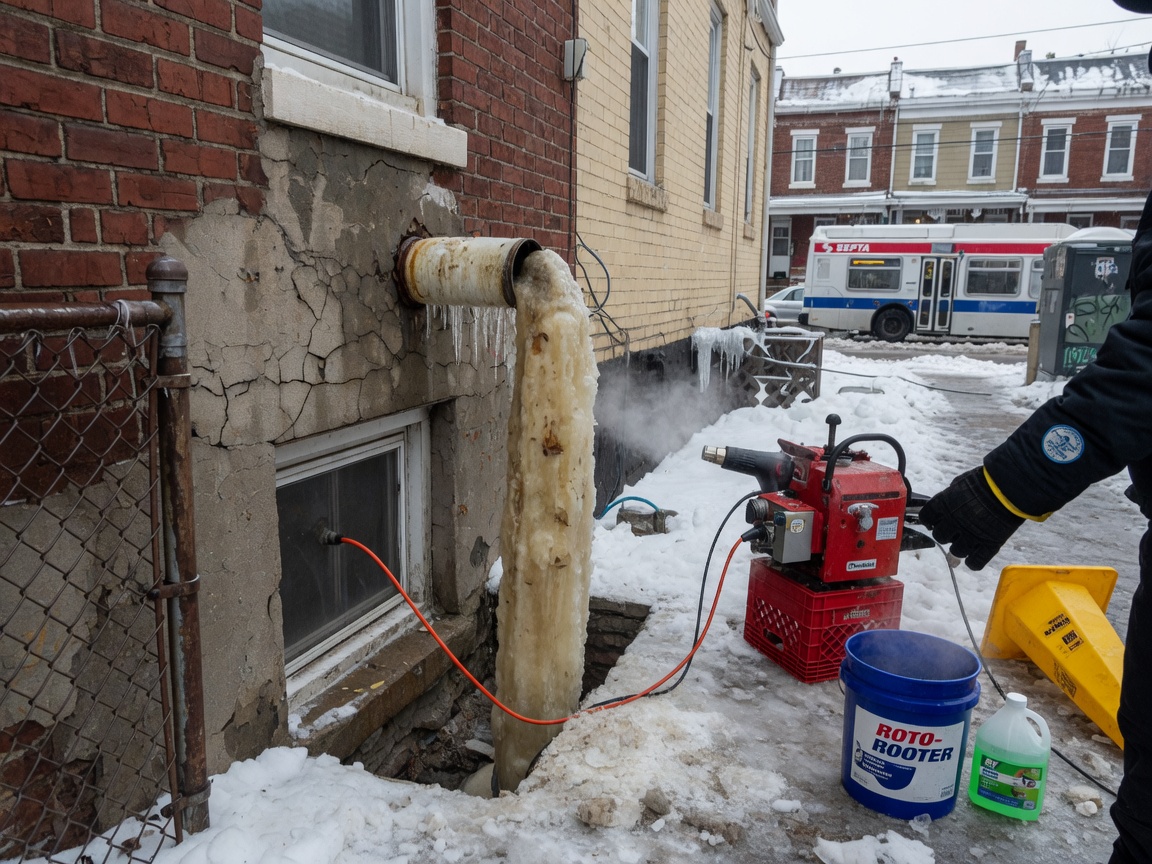
Preventing frozen drain lines during Philadelphia winters primarily involves insulating exposed pipes, ensuring proper drainage, and maintaining a consistent indoor temperature, particularly in older homes common in areas like Frankford and Bridesburg. When temperatures consistently dip below freezing, typically from December through February in our region, water left in drain lines can expand and cause ruptures. This is especially true for pipes in unheated basements, crawl spaces, or exterior walls, which are prevalent in the pre-1950s housing stock found throughout Northeast Philadelphia. Addressing these vulnerabilities before the cold sets in can spare you the emergency of a burst pipe and the subsequent water damage, which can be far more disruptive and expensive than preventative measures.
Understanding the Risk: Why Philadelphia Drains Freeze
The unique climate and housing characteristics of the Pennsylvania 19124 area contribute significantly to the risk of frozen drain lines. Our winters, while not as extreme as some northern states, still see prolonged periods below 32°F, often with sharp overnight drops. Many homes in neighborhoods like Wissinoming, Tacony, and Mayfair were built decades ago, often featuring uninsulated or poorly insulated basements and exterior walls where drain pipes run. These older plumbing systems may also have sections with minimal slope, allowing water to sit and become more susceptible to freezing. Unlike supply lines that are constantly under pressure, drain lines rely on gravity, and any standing water or slow drainage can become an ice plug.
Factors like wind chill, which can be particularly biting near the Delaware River, also play a role, effectively lowering the temperature pipes experience. A common culprit is also the placement of outdoor spigots or utility sinks in unheated garages, where drain lines are directly exposed to the elements. Understanding these local conditions helps us pinpoint the most vulnerable areas in your home's plumbing system and apply the most effective preventative strategies.
Essential Insulation Strategies for Exposed Pipes
Effective insulation is your first line of defense against frozen drain lines. For any drain pipes running through unheated areas such as basements, crawl spaces, attics, or exterior walls, adding insulation is paramount. You can find various types of pipe insulation at local hardware stores, including foam pipe sleeves that are easy to install. Measure your pipe diameters accurately to ensure a snug fit. For more exposed sections or those in particularly cold spots, consider using heat tape or heating cables in conjunction with insulation. These devices gently warm the pipes, preventing water from freezing. Always follow manufacturer instructions for installation to avoid fire hazards, especially when using electrical heating elements. This is particularly important for older homes in areas like Holmesburg, where original construction might not have prioritized modern insulation standards.
Beyond just the pipes themselves, consider insulating the spaces they occupy. Sealing air leaks around foundation vents, windows, and doors in basements and crawl spaces can significantly raise the ambient temperature around your plumbing. Even a small increase can make a big difference when outdoor temperatures plummet. For professional assistance with stubborn clogs that might exacerbate freezing risks, consider our <a href="/services/clogged-drain-repair">Clogged Drain Repair</a> service before winter sets in.
Ensuring Proper Drainage and Water Flow
A drain line that flows freely is less likely to freeze, as standing water is the primary target for ice formation. Before winter arrives, take steps to ensure all your drains are clear and running smoothly. This includes kitchen sinks, bathroom sinks, showers, and utility tubs. If you notice any <a href="/services/slow-draining-sink-repair">slow draining sinks</a>, address them immediately. A partial clog can cause water to accumulate in the pipe, making it highly susceptible to freezing. Regularly flush drains with hot water, especially after heavy use, to help dislodge grease and other debris that can build up.
For outdoor drains or those in unheated areas, ensure they are not blocked by leaves, dirt, or other obstructions. This is particularly relevant for floor drains in garages or basements that might see less frequent use. If you suspect a deeper issue, such as a clog in your main sewer line that could impede overall drainage, a professional <a href="/services/drain-camera-inspection">drain camera inspection</a> can identify problems before they become critical. Remember, even a small amount of standing water in a pipe can lead to a significant problem when temperatures drop.
Maintaining Indoor Temperatures and Strategic Water Use
Keeping your home adequately heated is a simple yet effective way to protect your drain lines, especially those running through exterior walls or unheated areas. During cold snaps, avoid setting your thermostat too low, even when you're away. A consistent indoor temperature, ideally above 55°F (13°C), helps prevent pipes from reaching freezing point. If you plan to be away for an extended period during winter, consider leaving the heat on at a reduced but safe temperature, and ask a trusted neighbor to check on your home periodically.